The first location runs on you — your palate, your standards, your walk-throughs. The second location is where that stops scaling. Every growing restaurant group, whether it is a two-store operation or a young franchise, hits the same wall: food that tastes slightly different across town, service that is warmer in one store than the other, books that do not line up. Consistency is not a talent problem; it is a systems problem, and it is solvable with a specific set of habits.
Why quality drifts as you grow
Quality drift has boring causes. The founder was the quality-control system, and the founder cannot be in two kitchens. Recipes live in a lead cook's head, so training becomes a game of telephone — each new hire learns a copy of a copy. Locations quietly source from different vendors, or the same vendor silently ships a different brand. And nothing is measured, so drift is discovered by guests — usually in a review that names one location and shames all of them. Every fix that follows attacks one of those causes.
Write the standard down — in weights, specs, and photos
If the standard is not written, each location will invent its own. The documentation that actually survives a working kitchen:
- Recipe cards in weights, not judgment calls. Grams and ounces rather than a handful; pan sizes, temperatures, and times; yield per batch. Volume measures and vibes are how one wing sauce becomes two different sauces.
- A plating photo at every station. The fastest quality audit in existence is a glance from the picture to the plate.
- Prep specs with shelf lives. Cut sizes, batch limits, label-and-date rules — freshness drift is quality drift.
- An approved-ingredient list. Exact brands and specs for every item, so grabbing a different mayo because we ran out stops being an unannounced menu change.
- Change control. One person owns the master recipe file; locations propose changes but nobody edits locally. Version-date every card so stale copies are obvious.
Train to the standard, not to the trainer
Documentation without training just moves the telephone game onto paper. Make the standard itself the teacher: station checklists a trainee is signed off against, trainers who are certified before they are allowed to train, and new-location kitchen leads staging at your original store for weeks — not days — before opening. Short phone-shot videos of correct technique beat binders because they are unambiguous and cheap to remake when specs change. And retrain on changes, not just at hiring: when a recipe updates, every location gets the new card, the new video, and a taste-through the same week.
Control the inputs: purchasing and suppliers
Two kitchens executing identical recipes with different ingredients will produce different food, and no amount of training fixes it. Put every location on the same distributors and the same approved SKUs wherever geography allows. Where it does not, write quality specs — grade, size, fat percentage — so substitutes are equivalent rather than approximate. Centralize price negotiation so your combined volume earns its discount, and require that vendor substitutions get flagged to whoever owns the spec list, because distributors substitute constantly and silently. Groups that skip this step spend months debugging why one location's marinara suddenly tastes sweet.
Measure consistency like you measure sales
What gets inspected stays consistent. The measurement stack, cheapest first:
- Daily line checks. A manager tastes core sauces and proteins, checks temperatures and dates, and signs a sheet — every location, every shift.
- Weekly scored audits. One shared checklist covering food, cleanliness, service steps, and speed, scored identically in every store so locations can be compared honestly.
- Unannounced leadership meals. Someone senior eats at each location monthly as a guest, orders the core items, and files the same scorecard as everyone else.
- Guest signals per location. Review ratings, remake and refund rates, order-accuracy complaints, and ticket times, tracked side by side. A widening gap between stores is drift you have not found in person yet.
Keep service consistent, not just food
Guests feel service variance as strongly as food variance. Standardize the steps, not the personality: greet times, order of service, check-back timing, to-go handoff phrasing — and, critically, identical empowerment rules, so a mistake gets the same recovery in every store. When one location comps freely and another argues, guests notice, and your regulars develop a favorite location for the wrong reason. Post the same ticket-time targets in every kitchen and review them in the same weekly meeting.
Rotate people, not just paperwork
Systems hold the standard; people spread it. Rotate managers and lead cooks between stores for a shift each month — they calibrate against each other, catch local drift no checklist flagged, and carry fixes home with them. Some groups also swap a server or two across locations before a new store opens, so the service culture travels with people rather than paper. Hold one weekly leadership meeting where every location reviews the same audit scores and the same flash numbers, so no store's problems stay invisible for long. And when a location wins — best audit score, fastest tickets, cleanest food cost — publicize it internally. A little friendly rivalry between stores is the cheapest quality program you will ever run.
One source of truth for menus, prices, and orders
Digital drift is the newest consistency failure: one store's online menu shows last spring's prices, another store's third-party listing still sells a discontinued item, and each crew handles incoming online orders its own way. Guests read every mismatch as sloppiness. Centralize menu management for online orders so every location and channel pulls from one master menu, and give every store the identical order workflow — same screens, same accept-and-fire steps, same guest notifications — with a tool like Dinevate's order manager. Apply the same discipline to public-facing basics: hours, phone numbers, and menus on each location's Google profile should be maintained centrally, which is as much a local SEO discipline as a consistency one.
Keep the books as consistent as the food
Growing groups rarely lose money in one dramatic place; they lose it across three sets of slightly different books. Run every location on the same POS configuration, the same chart of accounts, and the same reporting calendar so the numbers are comparable line by line. Produce a per-location profit and loss statement monthly and a weekly flash report — sales, prime cost, comps, and labor percentage for each store — and review locations side by side, because variance is the whole point: a food-cost gap between two stores selling the same menu is a portioning, waste, or theft problem with an address attached. If the underlying math is not yet second nature, start with restaurant profit margins explained and apply it per location. Consistent books are how you find out whether consistency everywhere else is actually working.
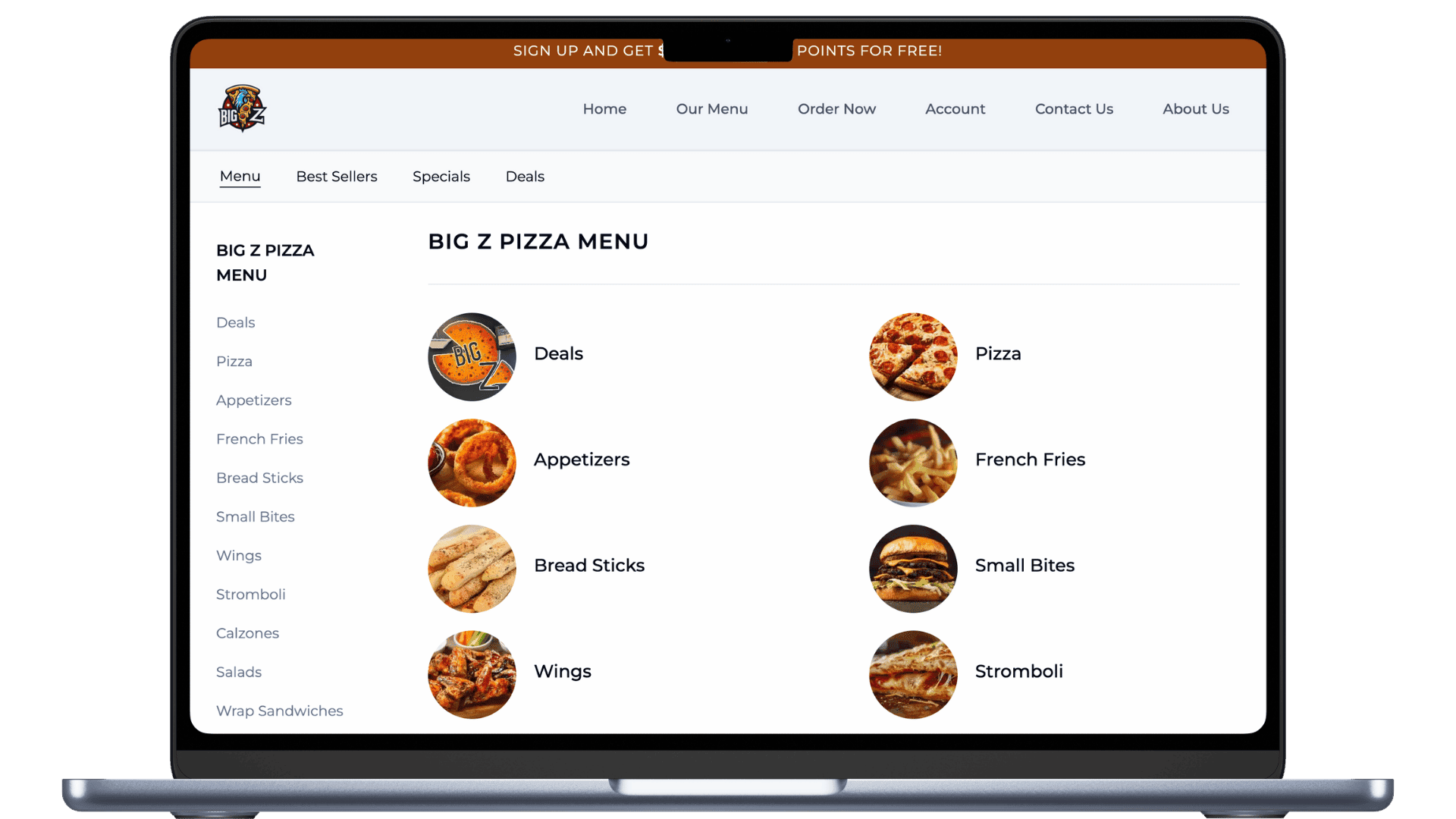
Modern online ordering system that makes it easy for customers to order from your restaurant
Frequently Asked Questions
How do restaurant chains keep food quality consistent across locations?+
The reliable pattern is written standards — recipes in weights, plating photos, approved-ingredient lists — plus training certified against those standards, identical suppliers and SKUs wherever possible, and scheduled measurement through line checks, scored audits, and per-location guest metrics. Consistency comes from the system, not from hiring a heroic chef for every store.
What should I standardize first when opening a second restaurant location?+
Recipes and ingredient specs come first, because food drift is what guests punish fastest — get every recipe into weights with plating photos and an approved-brand list before opening day. Train the new kitchen's leads at your original location, then standardize service steps, the online order workflow, and the accounting setup. Everything else can follow once the core product is protected.
How often should we audit each location?+
Layer the cadence: line checks every shift, a scored audit weekly, and an unannounced leadership visit monthly, all using the same checklist in every store so scores are comparable. Between audits, watch per-location review ratings, remake rates, and ticket times continuously. Frequency matters less than applying identical standards everywhere.
How do growing restaurant groups keep clean books as they add locations?+
Standardize the financial plumbing: the same POS configuration, chart of accounts, and reporting calendar at every location, with a monthly per-location profit and loss statement and a weekly flash report covering sales, prime cost, and labor. Reviewing identical reports side by side turns bookkeeping into an early-warning system, because a cost gap between similar stores almost always has an operational cause.