
A full gut renovation can cost more than opening a new restaurant — and most tired dining rooms do not need one. What they need is a focused refresh that guests actually notice, sequenced so you never stop trading, and budgeted so the money lands where it returns. Here is how to renovate a restaurant on a tight budget without it looking like you did.
Decide what the renovation is for
The place looks dated is a feeling, not a scope. Before pricing anything, name the business goal, because each goal implies a different kind of spending:
- More capacity: layout changes, patio buildout, bar seating — construction-heavy.
- Higher check average: lighting, seating comfort, bar presentation — atmosphere-heavy.
- Faster service: kitchen line reflow, pickup shelving, POS placement — workflow-heavy.
- Repositioning the brand: facade, signage, interior finishes, menus, website — cosmetic and digital.
Pick one primary goal. Remodels that try to do everything on a tight budget do everything halfway.
Where renovation money actually goes
Nobody can quote your refurbishment cost in an article — markets, buildings, and scopes vary too much for a single number to be honest. What does not vary is the cost structure, and knowing it is how you protect a small budget:
- Cosmetics are the cheap end. Paint, decor, lighting swaps, and furniture refinishing sit at the bottom of the cost curve.
- Anything behind a wall multiplies cost. Moving plumbing, gas, or electrical service turns a refresh into construction, with permits and licensed trades attached.
- The kitchen is the expensive end. Hood systems, fire suppression, HVAC, and walk-ins are among the priciest line items in any restaurant project.
- Code upgrades can be triggered. In many jurisdictions, work past a certain scope requires bringing the space up to current code — accessibility, restrooms, fire systems. Ask your contractor and your building department what your scope triggers before you commit to it.
- Old buildings hide surprises. Water damage, dead wiring, out-of-code plumbing. A 10–20% contingency is standard advice for a reason, not pessimism.
The tight-budget playbook follows directly: stay on the cosmetic end of the curve, and do not open walls unless a failing system forces you to.
High-impact upgrades that do not need a contractor
- Lighting first. Nothing changes how a room feels per dollar like light: warm bulbs at one consistent color temperature, dimmers set by daypart, and fixtures that pool light over tables instead of a bright ceiling grid.
- Paint second. Walls, trim, the ceiling if it is tired, and the restroom doors everyone touches. One closed weekend, transformed room.
- Refinish, do not replace. Reupholstering booths and refinishing tabletops costs a fraction of new furniture and reads as new to guests.
- Take restrooms seriously. Guests judge your kitchen's cleanliness by your restroom's condition. Fresh paint, decent lighting, a real mirror, working fixtures — small money, outsized trust.
- Fix the first impression. Facade paint, clean signage, legible hours, a lit entry, no clutter inside the front door. Many guests decide how they feel about the meal before they sit down.
- Declutter ruthlessly. Remove the broken-chair graveyard, the faded posters, the retired equipment in guest sightlines. Empty space photographs better than worn stuff.
- Tame the noise. Guests read a loud, echoing room as chaotic. Soft surfaces — upholstery, curtains, acoustic panels disguised as art — plus a properly zoned music system change how a space feels for very little money.
- Replace what guests touch. Menus, table tents, caddies. Worn menus on refinished tables undo the renovation.
When to schedule the work
Renovation timing is a profit decision in itself. Book disruptive work into your slowest weeks of the year — the sales you give up are part of the real project cost, and a slow January's lost covers are far cheaper than October's. Then work backward from lead times: permits can take weeks in some jurisdictions, custom furniture and equipment can take longer, and good contractors book out well in advance. Order long-lead items before demolition, not after, so the room is never torn up while you wait on a shipment. And if a lease renewal is on the horizon, negotiate landlord contributions before you improve their building — that leverage disappears the day the paint dries.
Spend where guests sit — with one exception
When the goal is guest perception, the dining room, restrooms, and entry outrank back of house. The exception is failing equipment: a walk-in on its last compressor or a fryer past its service life is not a renovation item, it is a business-continuity item, and it outranks decor. A beautiful dining room does not survive a week of apologizing for a half-dead kitchen.
Phase the work so you never go dark
- Sequence by disruption. Painting and lighting happen overnight or on closed days; anything loud or dusty gets bundled into your slowest week of the year.
- Work in zones. Close a section, keep the room trading. A half-open dining room earns; a closed one burns.
- Keep takeout alive even if the dining room pauses. If the room must close for a few days, keep the kitchen producing pickup and delivery orders so revenue never hits zero.
- Tell guests what is coming. A pardon-our-dust note with a reveal date turns disruption into anticipation — and gives you a relaunch moment with new photos, an email to your list, and a reason to visit again.
The cheapest renovation is digital
Before spending five figures on the room, look at the front door more guests see first: search results, your Google profile, and your website. A dated site with a PDF menu and no way to order is a worn-out dining room online — and fixing it costs a fraction of construction. A modern site, a current menu, photos that match your refreshed interior, and built-in online ordering often move sales more than new floors, because they capture demand that never walked in. Realistic budget numbers are covered in what a restaurant website costs — with a platform like Dinevate, the digital refresh is a small monthly subscription rather than a construction line item. Time it to the physical work and relaunch both at once, so the renovation markets itself.
Budget guardrails that keep small budgets small
- Get three bids on any contracted work, scoped identically so the numbers are comparable.
- Fix the scope in writing. Change orders, not labor rates, are where renovation budgets die.
- Ask your landlord for money. Tenant improvement contributions or rent abatement in exchange for a longer lease are normal asks, especially near renewal — permanent improvements to their building are worth something to them.
- Buy used where it is smart. Commercial furniture, smallwares, and plenty of equipment show up constantly at restaurant auctions; many operators treat refrigeration as the buy-new exception.
- Run the payback math. If $12,000 of dining room work should lift sales 5%, translate that through your margins into months-to-payback before committing — the arithmetic is laid out in restaurant profit margins explained. If you cannot tell a plausible payback story, it is decoration, not investment. Decoration is allowed — just budget it honestly.
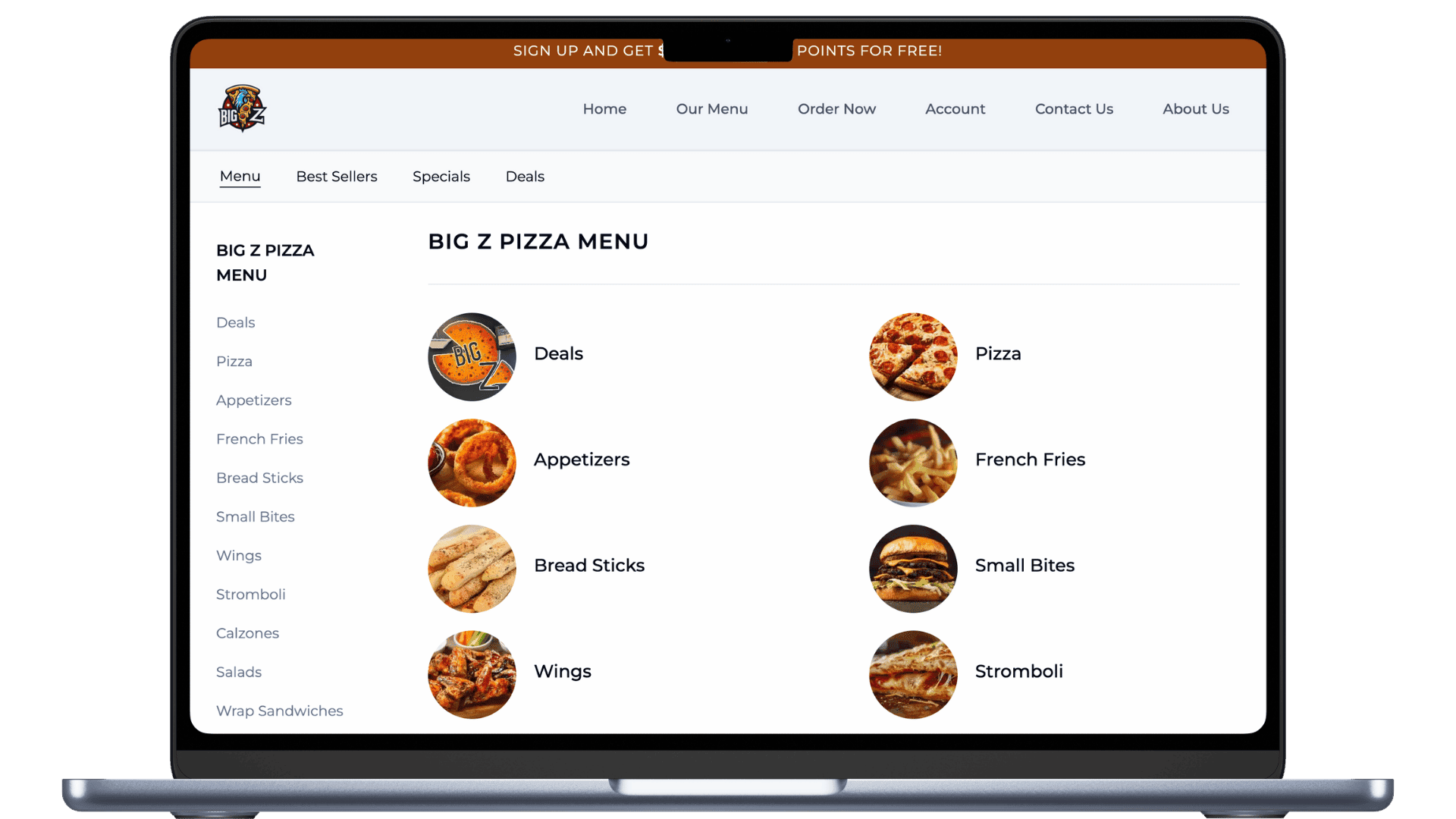
Modern online ordering system that makes it easy for customers to order from your restaurant
Frequently Asked Questions
How much does it cost to renovate a small restaurant?+
There is no honest single number — cost depends on your market, the building's condition, and whether the scope stays cosmetic or opens walls. Paint, lighting, decor, and furniture refinishing sit at the low end, while anything involving plumbing, gas, hood systems, or structural work multiplies cost quickly. Get three identically scoped bids and carry a 10–20% contingency for surprises.
What is the cheapest way to make a restaurant look updated?+
Lighting and paint deliver the biggest visual change per dollar, followed by reupholstering booths and refinishing tables instead of replacing them. Refresh the restrooms, declutter guest sightlines, fix the entry, and replace worn menus. Most of that work happens overnight or on closed days without a general contractor.
Should a restaurant close during renovations?+
Stay open if the scope allows: phase the work into zones, schedule loud and dusty tasks overnight or during your slowest week, and close sections rather than the whole room. If the dining room must pause for a few days, keep the kitchen running takeout and delivery so revenue never hits zero. Save full closures for work that genuinely cannot happen around service.
Which restaurant renovation gives the best return?+
The one aligned with a named business goal — more capacity, a higher check average, faster service, or a repositioned brand. For guest perception per dollar, lighting, paint, restrooms, and the entry are hard to beat, and a modern website with online ordering often outperforms physical upgrades because it captures demand that never walked in. Estimate months to payback before you spend.