“Farm to table” has been printed on enough menus that guests are rightly skeptical of the phrase. What still works — for the food, the margins, and the marketing — is the substance behind it: real buying relationships with nearby growers. This guide covers how an independent restaurant finds local farms, structures the partnership, plans a menu around the seasons, and makes the economics work, whether you are adding a few local ingredients or building an entire concept around them.
What farm-to-table actually means for an independent restaurant
There is no legal definition of farm-to-table, which is exactly why the term gets abused. In practice it is a spectrum. At one end, a restaurant sources a few hero ingredients locally in season. In the middle, a produce program leans on local farms while a distributor fills the gaps. At the far end sit whole-animal programs and planting agreements. Every point on that spectrum is legitimate — the only rule is to claim exactly what you do. “Our summer tomatoes come from a farm twenty miles away” is bulletproof; a vague “locally sourced” stamped across the whole menu invites the gotcha. Guests forgive a small program. They do not forgive a fake one.
How to find local farms to work with
- Walk the farmers market like a series of interviews. Go near closing time, buy something, and ask growers what they wish restaurants would buy and what they always plant too much of. You will learn quickly who has capacity, who delivers, and who communicates.
- Use your state's agriculture directories. State departments of agriculture and cooperative extension offices maintain grower directories and buy-local programs whose entire purpose is brokering these connections.
- Check food hubs and co-ops. Food hubs aggregate multiple small farms into one delivery and one invoice — local sourcing with distributor logistics. For a small kitchen, they are the easiest on-ramp.
- Ask other kitchens. Chefs who buy locally usually love talking about their growers, and a farm with spare capacity wants more restaurant accounts. A referral also tells you how the farm behaves when a crop fails.
How to structure the partnership
Start with one crop and one season
Do not promise a farm-driven menu in month one. Pick a single ingredient you use constantly — eggs, salad greens, tomatoes — and buy it from one farm for one season. Both sides learn each other's rhythms while the stakes are small, and you find out whether the quality and reliability justify expanding.
Buy from the availability list
Most small farms send a weekly availability list by text or email. Cooking from that list, instead of demanding specific items, makes you an easy customer and makes your specials genuinely seasonal. The chefs farms love most are the ones who ask what there is too much of this week.
Pay fast and stay flexible on logistics
Small farms run on cash flow, and they quietly rank their customers by it. Pay on delivery or weekly and you move to the front of the line when something is scarce. If the farm cannot deliver, meet at the farmers market or split a pickup run with a neighboring restaurant.
Graduate to planting agreements
After a good season, commit before planting: a few rows grown for you, a standing weekly egg count, a specialty variety no distributor carries. A one-page memo covering quantities, pricing, and what happens when weather interferes is enough. The farm gets certainty, and you get first claim plus ingredients your competitors cannot order from a catalog.
Plan the menu around the seasons, not against them
The operational trick is building flexible slots instead of rewriting the menu weekly. A “market vegetable” side, a rotating salad, and a specials board absorb whatever the week brings, while a smaller core menu keeps prep manageable. Train servers on the story — which farm, why now — because the story is a large part of what guests are paying the premium for. And keep every menu in sync: when the strawberry salad ends for the year, it should disappear from your website and ordering channels the same day. That is a workflow problem, and menu management for online orders is how you keep the internet from selling last month's menu.
The economics: mixing wholesale and local honestly
Local usually costs more per case and more in labor — whole vegetables need washing, trimming, and processing that pre-cut distributor produce does not. The honest answer, and the normal one, is a hybrid: produce, eggs, and select proteins locally, staples and gap-fillers from the distributor. Within that model, margins survive four ways:
- Concentrate the premium in hero dishes. Let a handful of dishes carry the farm story at a price that reflects it, instead of quietly inflating the whole menu.
- Buy seconds and whole animals. Cosmetically imperfect produce and whole-animal purchases cost meaningfully less — if your kitchen has the skill and menu flexibility to use everything.
- Cost the usable pound, not the invoice. Compare prices after trim and processing, in both directions. Sometimes local wins once you count the waste in shipped produce; sometimes it loses once you count the prep labor. Know which before you price the dish.
- Ride the glut. Peak season brings the best price and the best flavor at the same time. Build specials around what farms have too much of, and both sides win.
Operational realities to plan for
Weather will eventually wipe out something you built a dish around, so keep a distributor backup plan for every local item — a failed crop should be a menu edit, not a crisis. Expect delivery windows set by farm schedules rather than your prep list, invoicing that ranges from tidy software to a handwritten pad, and storage demands that differ from boxed produce: bunched greens and root-on vegetables eat walk-in space. None of it is a dealbreaker. All of it goes smoother when you ask each farm how they prefer to work instead of imposing distributor expectations on a two-person operation.
Market the partnership — carefully and honestly
Name farms on your menu only with their permission — they almost always say yes, and it flatters both sides — and update the menu when sourcing changes. Photograph farm visits; that is your best social content of the year. Put a sourcing page on your restaurant website listing partners and what is in season, because it directly answers the diner question of whether the story is real. Then treat farm-to-table as the search term it is: people actively look for farm-to-table restaurants near them, and local SEO for independent restaurants — the right business categories, menu keywords, and that sourcing page — is what puts your restaurant in front of those searches instead of a chain with a slogan. Once a season, host a farm dinner with the grower in the room; nothing markets the relationship better than the farmer meeting the people eating their food.
Starting a farm-to-table restaurant from scratch
If farm relationships are the concept, sequence matters. Build the relationships before you sign a lease — a few months of buying at markets and visiting farms tells you what your region genuinely produces and when. Design a small, flexible menu that can move with availability rather than fight it. Budget honestly from day one for the sourcing premium and the extra prep labor, and decide which dishes will carry that cost. Farm-to-table fails as a sticker and succeeds as an operating system: if the buying discipline is real, the marketing writes itself.
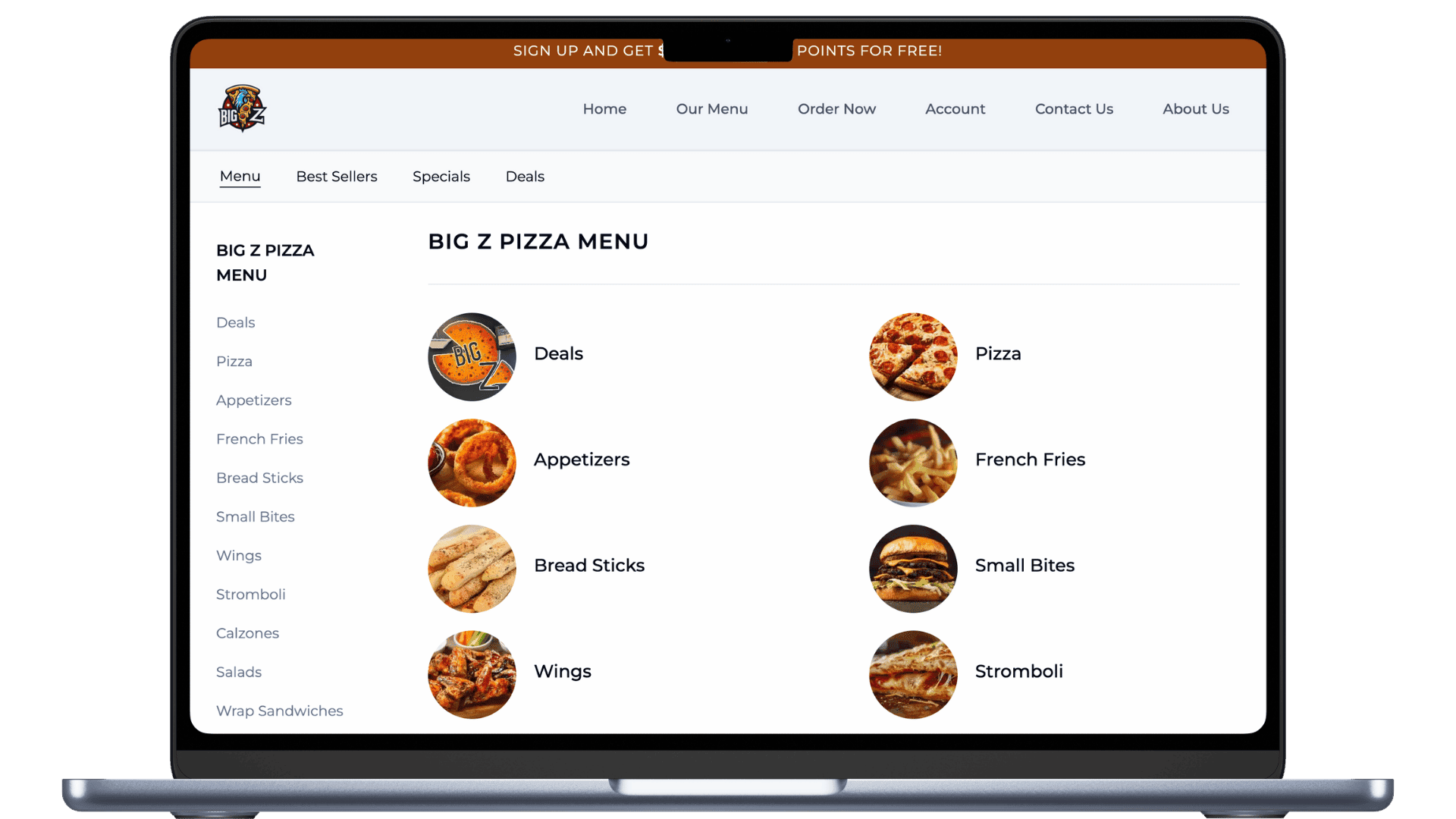
Modern online ordering system that makes it easy for customers to order from your restaurant
Frequently Asked Questions
How do restaurants find local farms to buy from?+
Start at the farmers market near closing time and talk with growers about capacity and delivery, then check your state agriculture department's grower directories and any local food hubs. Referrals from other chefs are gold, because they tell you how a farm communicates when things go wrong. Expect to try a few relationships before the reliable ones emerge.
Is farm-to-table more expensive than ordering from a distributor?+
Per case, usually yes, and whole unprocessed produce adds prep labor on top. Restaurants make it work by concentrating local ingredients in a few well-priced hero dishes, buying seconds and seasonal gluts, and comparing cost per usable pound rather than sticker price. The premium buys differentiation that no distributor catalog can.
Can a farm-to-table restaurant still use wholesale distributors?+
Yes — nearly all of them do, and it is not a scandal. The hybrid model, local for produce and signature items with a distributor for staples and backup, is exactly what keeps a seasonal menu stable when weather fails. Just keep your menu claims specific so the marketing matches the buying.
Do I need a farm's permission to name them on my menu?+
Get it — farms almost always agree, and many will promote your restaurant to their own customers in return. The obligation that comes with the name is accuracy: if you switch suppliers mid-season, update the menu the same week. A named farm that is no longer your source is the fastest way to burn trust in both directions.