Cozy is not an accident, and it has nothing to do with square footage. Some of the most loved coffee shops in any city are tiny rooms that feel like a favorite sweater, while plenty of big, expensively built cafes feel like waiting rooms. A small space actually starts with the advantage, because intimacy is built in. Your job is to make deliberate choices about light, layout, texture, and sound so that small reads as warm instead of cramped.
Light is half the vibe
Nothing kills a coffee shop's ambience faster than a grid of cool white ceiling lights. Warm bulbs in the 2700K range flatter wood, skin, and pastry alike, and they signal slow down the way bright light signals move along. The coffee shop aesthetic people photograph and share is, most of the time, just warm light landing on honest materials.
Layer the light instead of blasting it from above: a pendant or two over the counter, small lamps in the corners, a sconce beside the bench. Put whatever you can on dimmers and drop the level as the afternoon fades. The goal is pools of light with soft edges, because pools create nooks, and nooks are what people mean when they say cozy. Keep the brightest light at the bar where staff need to work accurately, and let the seating live a notch dimmer. If the shop gets strong daylight, lean into it in the morning and soften the harsh mid-afternoon angle with sheer curtains, because cozy during daylight hours means softness, not darkness.
Zone the room, even a tiny one
One undifferentiated room of identical tables feels like a cafeteria at any size. The same room divided into a few zones feels layered and intentional, and zoning costs almost nothing:
- A clear order-and-pickup zone by the counter, so the line never washes over seated guests. If your mornings get hectic, the flow ideas in handling peak hours in a downtown coffee shop apply doubly in a small room.
- A window bar with stools for solo guests and laptops, which turns storefront glass into seating instead of dead space and puts life in your window that passersby can see.
- One soft corner with the two most comfortable chairs you can find. This is the seat people photograph, the one they angle for, and the one they come back hoping to get.
- A divider that is not a wall. A rug, a low bookshelf, or the back of a bench suggests rooms within the room without blocking light or sightlines.
Vary seat heights while you are at it. Stools, standard chairs, and one low armchair give a single room visual depth and let guests choose their mood.
Choose materials that feel like a living room
Cozy is texture. Wood grain, ceramic mugs with real weight, a fabric bench, plants that are visibly alive and cared for. Brick, plaster, and open shelving of beans and books beat slick laminate at this game every time, and worn materials age into character while shiny ones age into shabby.
Curate rather than accumulate. A small room tips from charming to cluttered fast, so choose fewer, better objects: local art that rotates every month or two, a shelf of books people may actually pull down, one statement piece instead of ten trinkets. And treat the counter and pastry case as the room's centerpiece, because a warm, well-lit case does more for atmosphere than anything you could hang on a wall. There are specific display case techniques that pull people to the glass, and in a small shop the case doubles as decor.
Get sound and smell right
Small rooms with hard surfaces get loud fast, and loud is the opposite of cozy. Soft materials do double duty here: the upholstered bench, curtains, rugs, and plants that make the room look warm also absorb the clatter. If echo persists, acoustic panels disguised as framed art fix it without changing the look.
Keep music at conversation level and consistent in character, a playlist that sounds like your shop rather than whatever the opener felt like that morning. Then let the room smell like what you sell. Grinding near the front and warming pastries in view puts the best advertisement you own directly into the air, and it costs nothing.
Seating math for small rooms
The instinct is to fit as many seats as possible. Resist it. Six seats that people love beat ten seats nobody can sit in comfortably, and a guest whose chair gets bumped every time the door opens will not linger, post a photo, or come back. Keep walkways genuinely walkable, give solo guests spots where they are not occupying a table for four, and accept that in a small shop, repeat visits come from comfort, not from cramming. Comfort is also self-regulating: the right seat count keeps the room humming without making it feel packed.
If laptops start dominating the room, gentle nudges beat posted rules. Put outlets near the perches where you want workers to settle and none in the soft corner, and bring out table-sharing signs on busy weekend mornings. The cozy shop stays cozy by steering behavior quietly, not by scolding its best regulars.
Cozy on a budget
Almost everything above is cheap. Warm bulbs and dimmers cost less than a day's pastry order. Thrifted lamps, secondhand armchairs, and a hand-me-down rug look better in a cozy room than new showroom furniture ever will. Paint is the biggest transformation per dollar available to you. Spend the real money where guests touch: chairs, mugs, and the espresso program itself.
Audit the room from a guest's seat
Once a month, sit in every seat in the house with a drink and stay ten minutes. You will find the chair that wobbles, the vent that blasts one table, the glare at the window bar at 4 p.m., the speaker that is too loud in one corner. Fix what you find and the room gets cozier without buying a thing. Atmosphere is maintained, not installed, and an owner who experiences the room as a guest keeps it honest.
Make the vibe visible where people search
People type cozy coffee shop near me into Google and choose from the photos. The atmosphere you built only pays if it shows up there: recent shots of the lamp-lit corner and the full pastry case on your Google Business Profile, exact hours, and reviews that mention the vibe. Strong local SEO for an independent shop is mostly this kind of unglamorous upkeep, done consistently.
Your website should feel like the room: warm colors, real photos instead of stock, a menu that is actually current. A restaurant website builder like Dinevate's gets that done without hiring a designer, so the person searching at 9 p.m. for tomorrow's coffee spot sees the same warmth online that they will feel when they walk through your door.
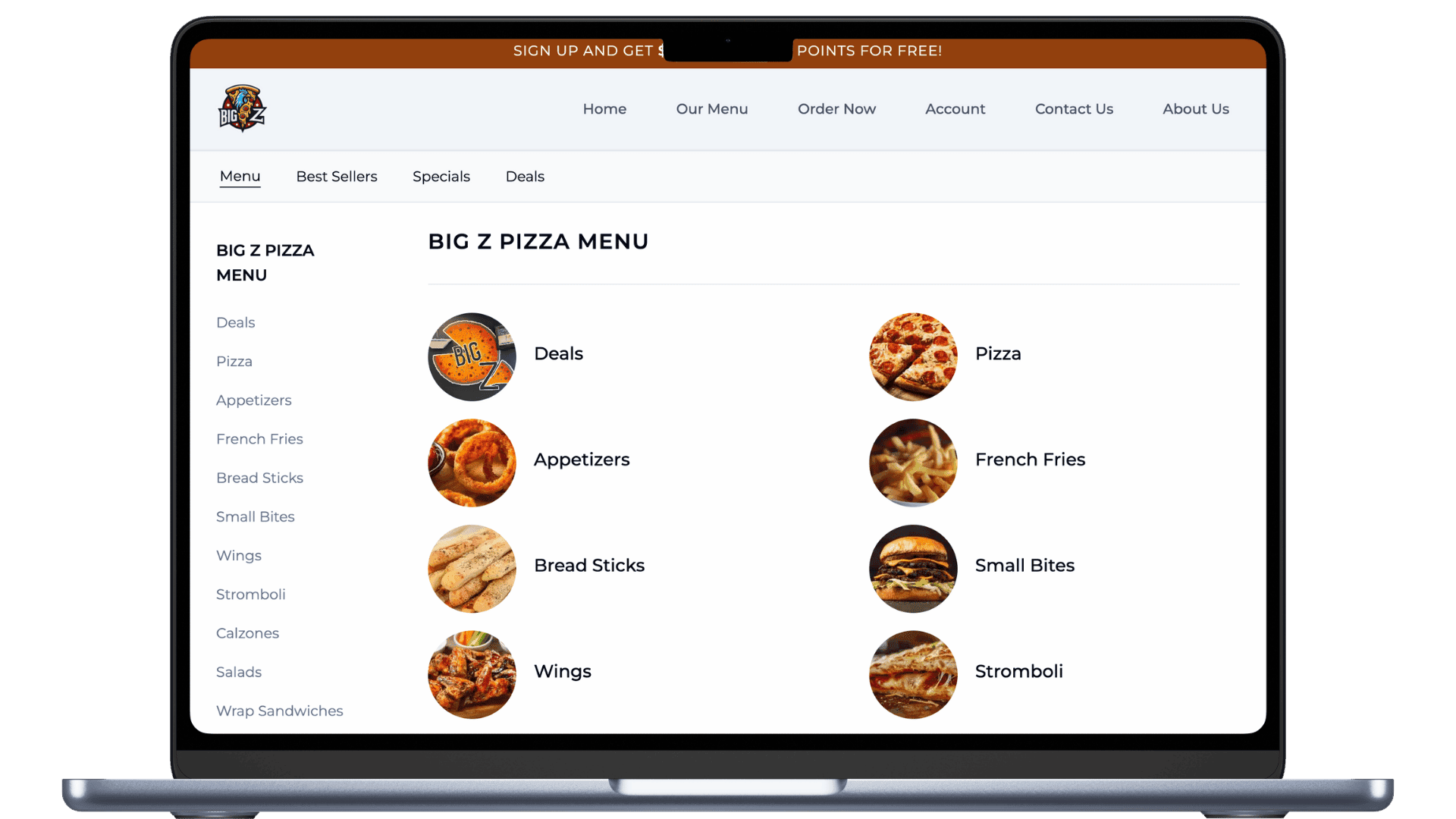
Modern online ordering system that makes it easy for customers to order from your restaurant
Frequently Asked Questions
What makes a coffee shop feel cozy?+
Warm, layered lighting, soft textures, human-scale seating zones, and personal details like local art and living plants. Sound matters as much as looks; a room that absorbs noise feels intimate, while an echoing one feels stressful. The common thread is evidence that a person, not a corporation, made the choices.
How many seats should a small coffee shop have?+
As many as fit while keeping walkways clear and guests comfortable, and not one more. Six seats people love outperform ten seats nobody wants to sit in. A mix of window stools, small tables, and one soft corner covers solo workers, pairs, and lingerers without crowding the room.
What is the best lighting for a cozy cafe?+
Warm white in the 2700K to 3000K range, layered from several small sources instead of bright overhead panels. Use dimmers so the room can shift from bright morning energy to a softer afternoon and evening feel. Keep task lighting at the bar so staff can work accurately while the seating stays mellow.
How do people find cozy coffee shops near them?+
Mostly through Google and Maps searches, where photos do the deciding. For owners, that means uploading recent, warm photos of the actual room, keeping hours exact, and steadily collecting reviews. A shop can be the coziest room in town and still lose to a mediocre competitor with better pictures.