
Sandwich menus are moving faster than they have in years. A single build can go from neighborhood special to national craving in a week thanks to social video, customers increasingly treat a great sandwich as the affordable alternative to a sit-down meal, and the lines between deli, fast casual, and restaurant keep blurring. The good news for independent delis: most of what's trending rewards exactly what small shops do best — craft, speed, and a menu you can change tomorrow without a corporate approval chain.
Why sandwiches keep winning
Two forces are doing most of the work. The first is price sensitivity. When money gets tight, people don't stop eating out — they trade down to formats that feel like a fair deal. A well-made sandwich sits in the sweet spot: filling, endlessly customizable, and noticeably cheaper than a composed entree at a full-service restaurant.
The second is portability. More meals are eaten at desks, in cars, and between shifts, and a sandwich travels better than almost anything else you can sell. It needs no cutlery, holds its temperature reasonably well, and looks as good coming out of the bag as it did on the board. That makes the format a natural fit for the pickup and delivery orders that keep growing as a share of lunch.
Hot and pressed sandwiches are pulling ahead
The clearest shift on deli menus is heat. Pressed, toasted, griddled, and dipped sandwiches are outpacing the classic cold stack, and it makes sense: a hot sandwich feels like a full meal, supports a higher price, and is much harder to replicate from a grocery-store case.
- Pressed classics — Cubans, pressed Italians, and griddled melts with crisp exteriors and properly melted cheese.
- Dipped builds — French dips and birria-influenced sandwiches served with a cup of jus or consommé made for dunking.
- Patty melt energy — griddled bread, melted cheese, and caramelized onions applied to turkey, roast beef, or mushrooms.
- Hot chicken — fried or roasted chicken finished with hot honey or spicy mayo keeps earning its board space.
Operationally, this is a small lift. A panini press or a corner of flat-top plus one finishing step turns builds you already make into higher-ticket items.
The chopped effect: build for the camera
The chopped Italian sandwich proved how fast a format can spread when it looks great on video — the overloaded filling, the cross-section shot, the cascade of chopped meats and peppers. Whatever the viral build of the month is when you read this, the lesson stays the same: sandwiches that photograph well get discovered, and discovery is free marketing. You don't need to chase every trend. You need one or two signature items with visual drama — a cheese pull, a dip shot, a colorful cross-section — plus a name customers can say and tag when they post it. Give the item its own line on the menu and its own photo online, and let your customers do the advertising.
Global flavors on familiar bread
Customers want new flavors more than they want new formats. The winning move is putting adventurous ingredients inside builds people already understand:
- Banh mi-style builds with pickled vegetables, cucumber, cilantro, and spicy mayo.
- Mortadella with pistachio spread and creamy cheese, riding the surge of interest in Italian deli culture.
- Korean-inspired flavors — bulgogi-marinated beef, or kimchi tucked into a grilled cheese.
- Hot honey and chili crisp as crossover condiments that upgrade almost any existing build.
- Za'atar, harissa, and other Middle Eastern pantry staples moving from specialty menus into everyday delis.
None of these require becoming a different restaurant. They require one or two new pantry items and the willingness to run the idea as a special before committing to it.
Bread and house-made details do the differentiating
Focaccia and ciabatta keep taking menu share from the standard hoagie roll, and shops that bake — or that partner with a local bakery and say so on the menu — have an edge chains can't fake. The same goes for anything you make in-house. "House-roasted turkey" reads completely differently than "turkey." Name your giardiniera, your sauces, your pickles. Those details are the reason a customer pays deli prices instead of grabbing a grocery sandwich, so put them in the menu descriptions, not just the recipe book.
Value without discounting
Your customers compare your sandwich to fast-food combo deals and grocery cases whether you like it or not. The answer is structure, not discounts. A half-sandwich-and-soup or half-and-side combo gives price-sensitive customers a lower entry point without cheapening your flagship builds. Bundling chips and a drink makes the ticket feel like a deal while the add-ons quietly carry strong margins. A simple punch card or digital rewards program gives regulars one more reason to pick you even when the chain is cheaper. None of these moves lower your headline prices — they give value-hunters a path to yes.
Digital orders keep growing — make them yours
More of the lunch rush now happens before customers walk in: they order ahead and expect the sandwich waiting at 12:15 sharp. That's good news for your line and your throughput, but only if those orders arrive through a channel you control, because third-party apps take a commission on exactly the trend that should be padding your margin. A clean online ordering system on your own website — with photos of your best builds and honest pickup times — captures the shift without the per-order tax; that's precisely what Dinevate builds for independent shops. And since trending items change, pick a setup where updating the online menu takes minutes instead of a support ticket, so this month's special actually shows up where people order.
How to test a trend without betting the menu
- Run it as a special first. Two to four weeks tells you whether the item sells and whether your kitchen can execute it at rush.
- Build from what you already stock. A new sandwich that needs one new ingredient is a test; one that needs seven is a gamble.
- Set the bar before launch. Decide what success means — units per day and a food-cost target — so compliments don't get mistaken for sales.
- Tell people. Announce the special to your email list and social accounts; a trend item nobody hears about proves nothing.
- Promote it to the permanent menu only if it earns it — real sales it didn't steal from an existing item, at a margin you can live with.
What's fading
- Stunt sandwiches. Towering builds designed purely for shock are losing to items that are photogenic and actually eatable.
- Plant-based as a headline. Meat alternatives have settled into a steady niche. Keep one good option if your neighborhood wants it; stop building the menu around it.
- Competing on price alone. You will not out-discount a chain. Compete on what they can't copy: house-made, sliced to order, and a person who remembers your name.
Trends earn you attention; execution keeps the customer. Once something new is pulling people in, the money comes from building combinations that actually carry margin and from service that turns a first visit into a weekly habit.
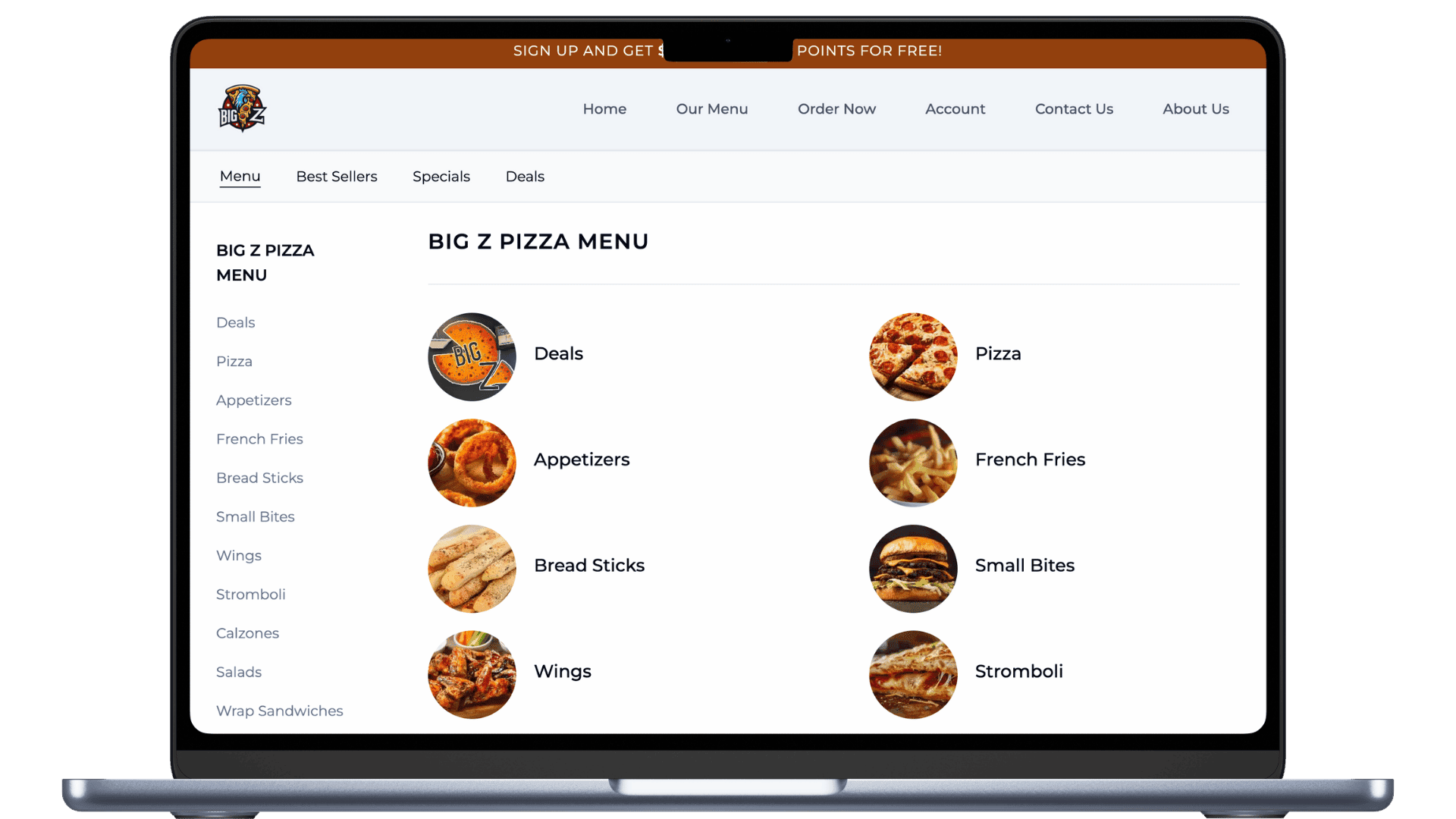
Modern online ordering system that makes it easy for customers to order from your restaurant
Frequently Asked Questions
What deli sandwich trends matter most in 2026?+
Hot and pressed sandwiches, dipped builds served with jus, global flavors on familiar bread, and value bundles are the big movers. Order-ahead lunch keeps growing too, so a smooth pickup experience counts as a trend worth adopting. Pick the one or two that fit your kitchen rather than chasing all of them.
How do I test a new sandwich trend without disrupting my menu?+
Run it as a limited special for two to four weeks, built as much as possible from ingredients you already stock. Set a sales and food-cost target before launch and promote it to your email list and socials. Make it permanent only if it hits the number without cannibalizing an existing seller.
Are viral sandwiches worth chasing?+
Chasing every viral build burns out your kitchen, but one or two photogenic signature items are worth real money because customers post them for free. Aim for visual drama you can execute consistently at rush — a cheese pull, a dip shot, a striking cross-section — and give the item a name people can tag.
Is plant-based still worth carrying at a deli?+
It has settled from hype into a steady niche. If your neighborhood asks for it, carry one well-made option — a roasted vegetable or marinated portobello build often outsells imitation meat at a deli. Just don't design the whole menu around it.