Burger customers walk in more educated than ever: they've watched the smash technique on video, they know what hot honey is, and they compare your combo price to the chain deal they saw this morning. Keeping up doesn't mean chasing every trend — it means knowing which shifts are real, which are noise, and which actually fit your kitchen. Here's the landscape in mid-2026, trend by trend, with the operator's angle on each.
Smash style is the default, not the trend
The thin-patty smashburger — hard sear, crispy lacy edges, usually stacked as a double — has moved from trend to baseline. Many customers now assume it's the house style unless the menu says otherwise.
The operator math mostly favors it. Thin patties cook in a couple of minutes, so throughput climbs at rush. Singles, doubles, and triples create natural price tiers from one patty size. And the technique needs a hot flat-top and a strong press more than it needs new equipment. The catch is discipline: same portion ball, same press, same scrape, every time — the style leaves nowhere for sloppy technique to hide.
If you're a thick-patty house, that's now a differentiator rather than the default. Own it on the menu — "half-pound, cooked to order, never smashed" — instead of quietly being off-trend.
Flavor is moving toward heat, sweet heat, and global toppings
- Hot honey and chili crisp have become mainstream condiments — familiar enough that customers order them, novel enough to justify an upcharge.
- Tiered spice. A "make it spicy" option or a heat ladder lets one build serve mild and bold customers alike.
- Global builds. Kimchi and gochujang mayo, birria-style burgers with a dip cup, al pastor-leaning toppings — new flavor inside a familiar format, which is how adventurous eating actually happens.
- Smoke. Smoked cheeses, bacon jam, and chipotle sauces keep pulling orders as low-risk premium touches.
The pattern behind all of it: customers want new flavor in a format they already trust. One or two new sauces cure more menu fatigue than an entirely new burger lineup.
Craft signals beat gimmicks
The stunt-burger era — towering novelty builds engineered purely for shock value — keeps fading. What customers reward instead are quality markers they can taste and repeat: a named beef blend, buns from a local bakery or your own oven, house pickles, sauces you make and name. These cost little compared to what they signal, and they justify the gap between your price and fast food far better than height ever did. Put the craft into words on the menu: "ground fresh daily," "bakery brioche," and "house-made pickles" are the difference between a $12 burger that reads fair and one that reads expensive.
Chicken earned permanent menu space
The fried chicken sandwich settled in as the burger's permanent sibling rather than a fad, with spicy versions carrying most of the demand. For a burger joint the economics are friendly: you already run a fryer, and a two- or three-level heat option covers the demand with a single protein. When beef costs pinch, chicken builds also give you a strong item to feature without discounting your beef.
Plant-based found its real level
The imitation-patty boom cooled into a steady niche. Some neighborhoods support a plant-based build well; others order it once a week. The move is right-sizing: carry one good option if your customers ask for it — a branded patty or a house vegetable build — and stop giving it menu real estate the sales don't support. Watch your own mix and let it earn its spot like every other item.
Sides and drinks are part of the trend picture
What's on the tray next to the burger has become a differentiator of its own. Loaded and seasoned fries give you a signature item at side-dish cost — garlic parmesan, Cajun dust, or a smothered version that borrows toppings you already stock. House-made drinks keep gaining ground too: hand-spun shakes, flavored lemonades, and seasonal agua frescas read as craft while carrying the kind of margins fountain soda taught us to love. The appeal for a small operator is that sides and drinks are cheap places to be interesting. A trending side costs you one spice blend to test; a trending burger costs a whole build. If you want to look current without touching your core menu, start on this side of the tray.
Value is the battleground — fight it with structure
The big chains are running aggressive value-meal offers, and your customers see those ads daily. Don't follow them down; a small shop loses a price war by definition. Compete on structure instead. A single/double/triple ladder gives budget-minded customers an honest entry point. Combos make the ticket feel like a deal while fries and drinks quietly carry strong margins. And a loyalty program gives regulars the deal feeling chains buy with ad budgets — the customer working toward a free burger stops comparing you to a value menu.
How customers order is changing faster than what they order
More burger orders now start on a phone — placed ahead for pickup, or delivered. The trap is letting third-party apps own that shift: their commissions land on your best-selling items, and the customer relationship stays with the app instead of with you. It's worth understanding the real trade-offs between direct ordering and delivery apps, then nudging regulars toward ordering direct — your own site, your own customer data, no per-order tax. Giving independents chain-grade direct ordering is exactly what Dinevate is built for. There's an operational bonus too: order-ahead tickets arrive before the line forms, which smooths your rush for free.
Speed and consistency are trends too
Customers judge a burger joint on how reliably the tenth visit matches the first and how fast the line moves on a Friday night. Treat execution like a menu item: portioned patty balls, counted cheese slices, sauces in portion bottles, one person expediting at peak. Smash style helps here — short cook times move the line — but only if builds are standardized enough that speed never costs accuracy.
Adopt trends like an operator, not a fan
- Filter by kitchen fit. If a trend needs equipment or skills you don't have, it belongs to someone else's shop.
- Run it as a limited special. Two to four weeks, promoted to your list and socials, with a sales and food-cost target set before launch.
- Measure against the menu. A new item that merely cannibalizes your best seller at a lower margin is a loss dressed up as a win.
- Keep the core tight. The strongest burger menus stay short — a trend earns a permanent slot only by outselling something it can replace.
Trends put your name in customers' feeds; margins keep the doors open. Once the traffic is coming, the sister discipline is making your popular items actually profitable.
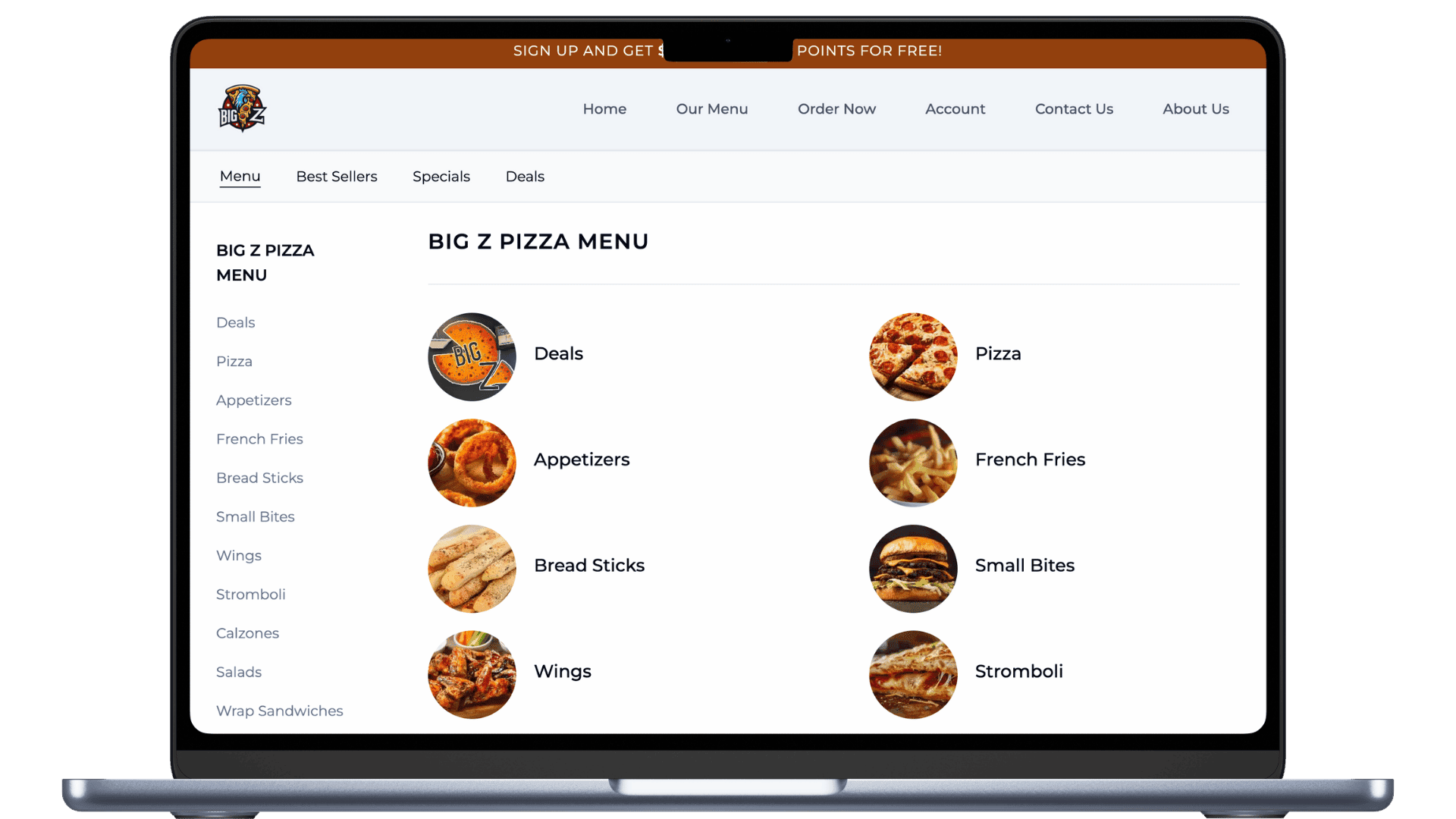
Modern online ordering system that makes it easy for customers to order from your restaurant
Frequently Asked Questions
What burger trends matter most in 2026?+
Smash-style patties as the default build, sweet-heat and global condiments like hot honey and chili crisp, and craft signals like house sauces and bakery buns lead the list. Value structured through combos and loyalty matters as much as the food, and order-ahead direct ordering keeps growing as the way customers actually buy.
Should I switch my burger joint to smashburgers?+
Only if it fits your identity and your equipment. Smash style speeds up cook times and creates easy single/double/triple price tiers, but it demands a hot flat-top and strict consistency on portioning and technique. If thick patties are your signature, owning that openly can be a stronger position than following the default.
Is a plant-based burger still worth offering?+
In most markets it has settled into a steady niche rather than a growth engine. Carry one well-executed option if your customers ask for it, and judge it by the same sales-mix standard as any other item instead of reserving menu space for the trend's sake.
How can an independent burger joint compete with chain value menus?+
Don't match their prices — restructure yours. A single/double/triple ladder, combos where fries and drinks carry the margin, and a loyalty program that rewards repeat visits give customers the deal feeling without gutting margins. Quality and consistency then give them a reason to prefer you at a dollar or two more.