A patio is the only dining room you own that can vanish from the forecast. Outdoor seats drive real revenue in season — and it is conditional revenue, granted or revoked by rain, wind, and heat. The difference between restaurants that eat weather losses and restaurants that shrug them off is not luck or better awnings; it is a written contingency plan the whole team can run without you.
How weather actually moves restaurant sales
Weather hits harder than most operators budget for, and not always in the obvious direction. Rain empties patios and thins walk-in traffic, but it tends to shift demand toward delivery and pickup rather than erase it — people still eat dinner, just not on your sidewalk. Heat waves kill afternoon patio seatings while evenings stay viable. Wind is the underrated villain: it makes pleasant temperatures miserable, flips umbrellas, and closes patios on days that look sunny in photos. And in the shoulder seasons, a few degrees decide whether your patio earns for eight weeks or eighteen.
Two lessons follow. First, your patio's weather sensitivity is knowable: compare patio-open days against patio-closed days in your POS for a month and you will see your own number, not an industry guess. Second, bad weather does not destroy demand so much as move it — and your plan should be built to chase it.
Write the plan: triggers, decision times, owners
A contingency plan is three lists: what triggers a decision, who makes the call, and what happens next. Keep it to one page and laminate it.
- Define triggers. Tie actions to forecast thresholds you check at fixed times — rain probability at service time, sustained wind past what your umbrellas tolerate, temperature bands your shade or heaters cannot offset. The exact numbers matter less than everyone using the same ones.
- Set decision times. One call the afternoon before (staffing, reservations, prep) and one 60–90 minutes before service (final patio call). Late decisions are the expensive ones — they strand staff and surprise booked guests.
- Name one decision-maker per shift. Committees relitigate the radar while the umbrellas blow over.
- Prewrite the messages. A guest text or email for weather-affected reservations, a staff message for cut or added shifts, a social post for patio closed, kitchen open. Written in advance, sent in seconds.
- Set staffing rules. Which server flexes inside, who is on call, the cut order when covers drop, and what rained-out staff do instead — deep cleaning, prep, the training checklist nobody finishes.
- Add a reset checklist. After the storm: furniture wiped and reset, umbrellas inspected, drainage cleared, cushions back from storage. A patio that reopens an hour before the competitor's is found money.
Then treat the plan as a living document. Review it at the start of every patio season — umbrella stock, heater service, and any trigger threshold that proved wrong last year — and update a line every time a storm catches you off guard. The plan that never changes is the one nobody is using.
Set up the patio to survive weather, not just to photograph well
Whether you run four sidewalk tables, a garden, or a full outdoor bar, the same four adversaries decide how many days a year the space earns. Design for them from the start and the patio stops being a gamble.
Rain
Commercial-grade vented market umbrellas handle drizzle and pop-up showers; retractable awnings and louvered pergolas turn rain-likely into a normal service, and if your patio drives real volume they are a capital project worth honest payback math — see renovating on a tight budget for how to phase and fund it. Check drainage before buying anything overhead: a covered patio with puddled floors still loses the table. Choose quick-dry furniture and keep a squeegee-and-towel caddy by the door so recovery takes minutes, not an hour.
Wind
Weight umbrella bases properly and write down the wind speed at which umbrellas close — a flying umbrella causes injuries and lawsuits, not just spilled drinks. Planter walls and clear panels blunt prevailing wind without blocking sightlines, and clipped menus, anchored candles, and heavy caddies keep tables from becoming confetti.
Heat
Shade is the foundation — sails, umbrellas, pergolas — then moving air: fans and misters buy several degrees of comfort in dry heat. Shift patio hours later during heat waves, pour water on arrival, and rotate servers through shade; a heat-sick server is an emergency, not a staffing gap.
Cold
Heaters extend the season by weeks on each end. Propane units are flexible but need fuel logistics and clearance from anything overhead; electric infrared needs circuits but no tanks; either way, confirm clearances and local fire code before the first cold snap rather than after the fire marshal visits. Windbreaks multiply every heater's effect — heat without wind protection is money blowing sideways. Blankets are a cheap, guest-loved touch if you commit to laundering them.
When the patio closes, move the demand — do not lose it
This is the piece most contingency plans skip: the revenue response. A rained-out Friday does not have to be a lost Friday, because the same weather that closes your patio pushes guests toward eating at home.
- Convert reservations, do not cancel them. Offer indoor seating first, then a rebooking link, then a takeout option with a small sweetener. A relocated party plus a comped dessert costs far less than an empty four-top and an annoyed review.
- Message your list when the forecast turns. A same-day rainy-night email or text nudging your subscribers toward ordering dinner in converts weather into orders — this is exactly the moment a maintained guest list exists for, and why email marketing for repeat guests earns its keep on bad-weather days.
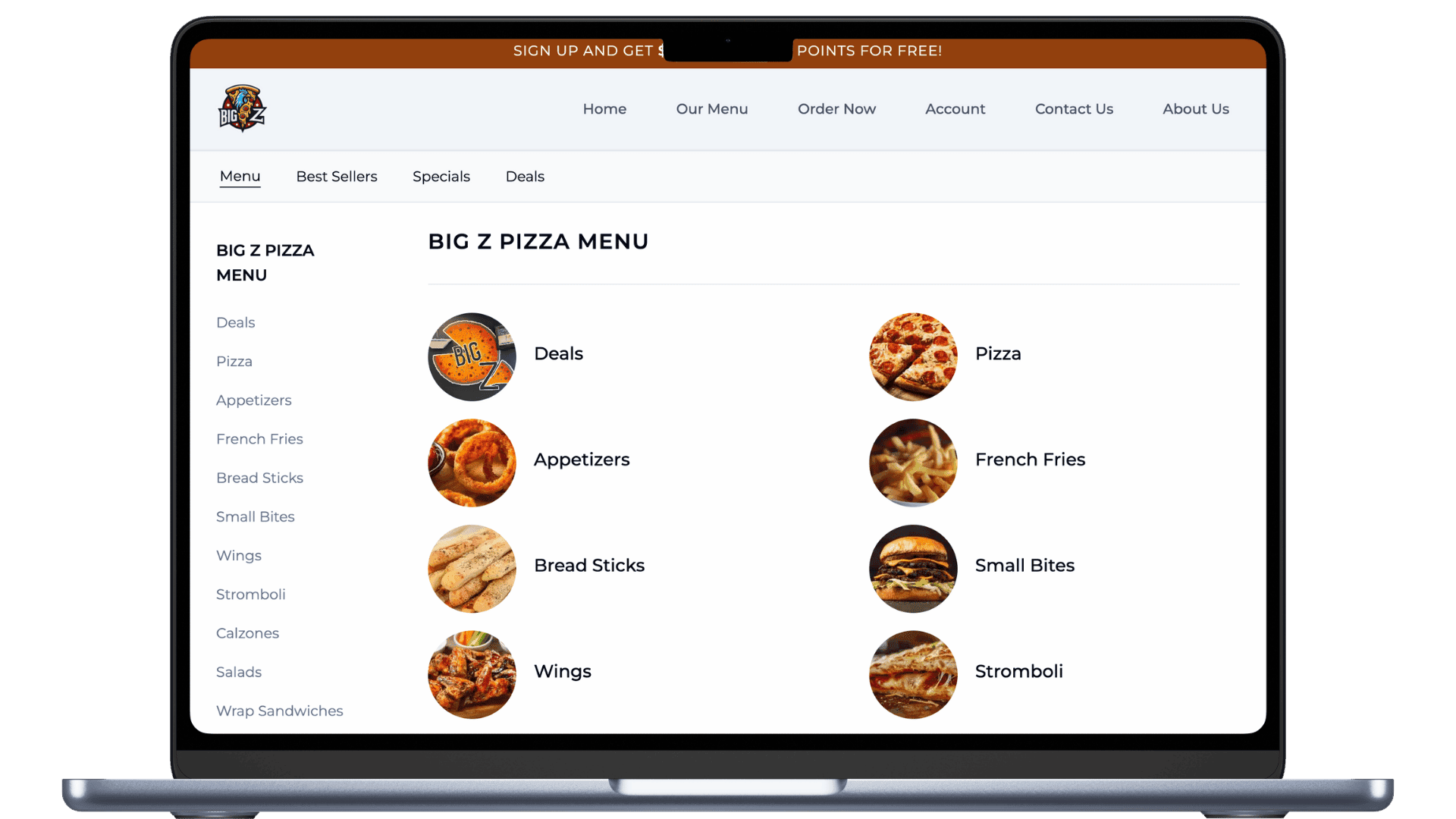
- Route the surge through your own channel. A weather-driven delivery spike is the worst time to hand a marketplace its commission on every order. Direct online ordering through your own site — the model Dinevate is built on — keeps rainy-day margin at home; just make sure the kitchen has a packaging and throughput plan for the spike too.
- Shift the staffing, not just the seating. Cross-train patio servers to run expo, pack takeout, or work the phones, so a closed patio does not mean sent-home staff during a delivery rush.
Reservations and the honesty rule
Never promise a patio table you cannot guarantee. Take outdoor reservations as patio-requested, weather permitting — say it at booking and repeat it in the confirmation — and set an indoor backup expectation whenever the forecast is borderline. Give hosts a script that leads with what you can offer, not what the sky took away. Guests forgive weather; they do not forgive feeling baited. Handled cleanly, a stormy night costs you some covers. Handled sloppily, it costs you regulars — and the whole point of a contingency plan is that you never improvise the difference.
Modern online ordering system that makes it easy for customers to order from your restaurant
Frequently Asked Questions
What should a restaurant weather contingency plan include?+
Four things: forecast triggers tied to specific actions, fixed decision times with one named decision-maker per shift, prewritten guest and staff communications, and staffing rules for cutting or reassigning the patio team. Add a post-storm reset checklist so the patio reopens fast. Keep the whole plan to one page so people actually use it.
How does weather affect restaurant sales?+
Rain and wind thin patio and walk-in traffic but usually shift part of the demand to delivery and pickup rather than erasing it, while heat waves push patio demand into the evening. The impact is concept-specific, so compare patio-open and patio-closed days in your own POS to learn your real sensitivity. Messaging your guest list and taking direct online orders helps recover a share of the lost seats.
What is the best way to protect outdoor seating from rain?+
Layer defenses by budget: commercial vented umbrellas for showers, retractable awnings or louvered pergolas for regular rain, and drainage fixes before anything overhead. Quick-dry furniture and a squeegee caddy shorten recovery after a downpour. If the patio produces significant revenue, covered structures often justify their cost through added service days each season.
What should staff do when weather closes the patio?+
Follow a pre-set cut order and reassignment list instead of improvising: some servers flex to indoor sections, others move to takeout packing, phones, deep cleaning, or training tasks. An on-call system protects both coverage and payroll on borderline days. Sending everyone home is usually a mistake, because bad weather often shifts orders to pickup and delivery.