Most team building advice was written for offices. Trust falls, escape rooms, and personality workshops assume a team that sits together for eight hours and can block out an afternoon. A restaurant crew works nights and weekends, splits into two rooms that barely see each other, and turns over faster than almost any other workplace. If an exercise is going to work in a restaurant, it has to be short, cheap, repeatable, and tied to real service.
The exercises below meet that bar. None of them require a consultant, a closed dining room, or a budget line, and most fit inside the fifteen minutes before doors open.
Why generic team building fails in restaurants
Restaurant teams have three structural problems that office-style team building ignores. Schedules never fully overlap, so your Tuesday lunch crew and your Saturday night crew may be strangers. Front of house and back of house work completely different jobs, often on different pay systems, which breeds a quiet rivalry. And everyone is tired — asking a line cook to attend an unpaid Sunday workshop is not team building, it is a resentment generator.
A useful filter: a team building exercise works in a restaurant if it fits inside a shift, improves something a guest can feel, and can be repeated weekly without eye-rolls. Everything below passes that test.
Pre-shift exercises that take ten minutes
Menu tasting with a two-question quiz
Once a week, have the kitchen plate one item — a special, a new dish, or whatever servers sell worst — and let everyone taste it during pre-shift. Then ask two questions: what would you tell a guest about this, and who should not order it because of allergens, spice, or portion size? The tasting builds product knowledge, but the questions are the real exercise. Servers practice describing food out loud, and cooks hear how their food gets sold.
The role-swap quiz
Ask one front-of-house person and one back-of-house person a question about the other side's job. What does the saute station fire first when a ticket has three entrees? What does a server do the moment a guest declares an allergy? Keep score loosely across weeks. The point is not trivia; it is making each side's invisible work visible. If the quiz exposes real gaps, that is a free training report — and it pairs well with the systems in our guide to bridging front-of-house and back-of-house communication.
The ticket read-back drill
Read a realistic ticket aloud — modifiers, allergy flag, seat numbers — and have the line call it back exactly as they would during service. It takes thirty seconds. Crews that practice read-backs when it is calm actually do them when it is slammed, and read-backs are the cheapest way to cut remakes.
Cross-training swaps that build real respect
Nothing changes how a server talks about the kitchen like an hour on the line during prep, and nothing changes how a cook talks about servers like following their own dish to the table. Cross-training is the highest-value team building a restaurant can do, because it produces empathy and schedule flexibility at the same time.
- Shadow shifts: one paid hour, once a month. Front of house shadows a prep or line station; back of house shadows the host stand or a server's section during a slow lunch.
- Expo rotation: the pass is where the two sides meet. Rotating trusted people from both sides through expo, even briefly, teaches the entire rhythm of a service.
- Plate-your-own: during a quiet stretch, have a server plate a dessert to spec, or have a cook run their own dish to the table and handle the check-back. Small, humbling, effective.
Service games for slow periods
Blind taste tests
Pull three sauces, dressings, or house drinks and have staff identify them blind. Winner gets first pick on the schedule request sheet or an upgraded shift meal. It is five minutes of fun that quietly builds the product knowledge behind confident recommendations.
The table audit walk
Give someone a seat at a random table and two minutes to list everything a guest would notice from that chair: a wobbly base, a smudged menu, glare from a window, a burned-out bulb. Different people catch different things. Fix one finding each week and credit whoever caught it, and staff start seeing the room like owners.
Eighty-six roulette
Announce a popular item as hypothetically eighty-sixed and have servers practice the pivot: what do you offer instead, and how do you say it without talking the guest out of ordering anything? The kitchen plays too: what gets prepped first if the special sells out early? It is contingency planning disguised as a game.
Low-budget team events off the clock
Occasional off-the-clock events are worth doing — but keep them optional, paid where the law requires it, and food-centered, because this is a crew that bonds over eating.
- Upgrade one family meal a month. Give a different cook a small budget and full creative control each time. Family meal is already your team ritual; invest in it before inventing new ones.
- Visit a supplier or farm together. If you buy from local producers, a morning visit turns “the tomato guy” into a story your staff tell guests all summer. Our guide to working with local farms covers how those relationships work.
- Eat at a competitor. Take a handful of staff to dinner somewhere good and ask everyone to bring back one idea worth stealing and one thing your restaurant does better. It reframes the team as insiders with taste.
Recognition rituals that cost almost nothing
Exercises build skill; rituals build belonging. End every shift with one specific shout-out — not “good job everyone,” but “Maria caught the allergy on table twelve before it hit the pass.” Keep a wins board next to the schedule. Celebrate staff birthdays with a family-meal dessert and a card signed by the team; if you already run birthday promotions for guests, pointing the same habit inward is easy, and our restaurant birthday celebration guide covers both sides.
Protect the time, or none of this happens
The most common failure is not a bad exercise — it is pre-shift getting eaten by everything else. Put the fifteen minutes on the schedule like a shift, write the day's exercise on the whiteboard the night before, and remove the distractions you can automate. If the phone drags a host or a manager out of every lineup, take that interruption off the table: an AI phone host like Dinevate Voice answers calls and takes orders so the whole team can actually be in the room. Ten protected minutes a day beats a quarterly offsite every time.
How to tell whether it is working
Team building that works shows up in numbers you already track. Watch four of them over a quarter: remakes and comps, ticket times during your busiest hour, ninety-day retention of new hires, and how often people trade or cover shifts without a manager begging. Then apply one soft test: does the crew run the pre-shift exercise on your day off? When the answer is yes, it has stopped being your program and become their culture.
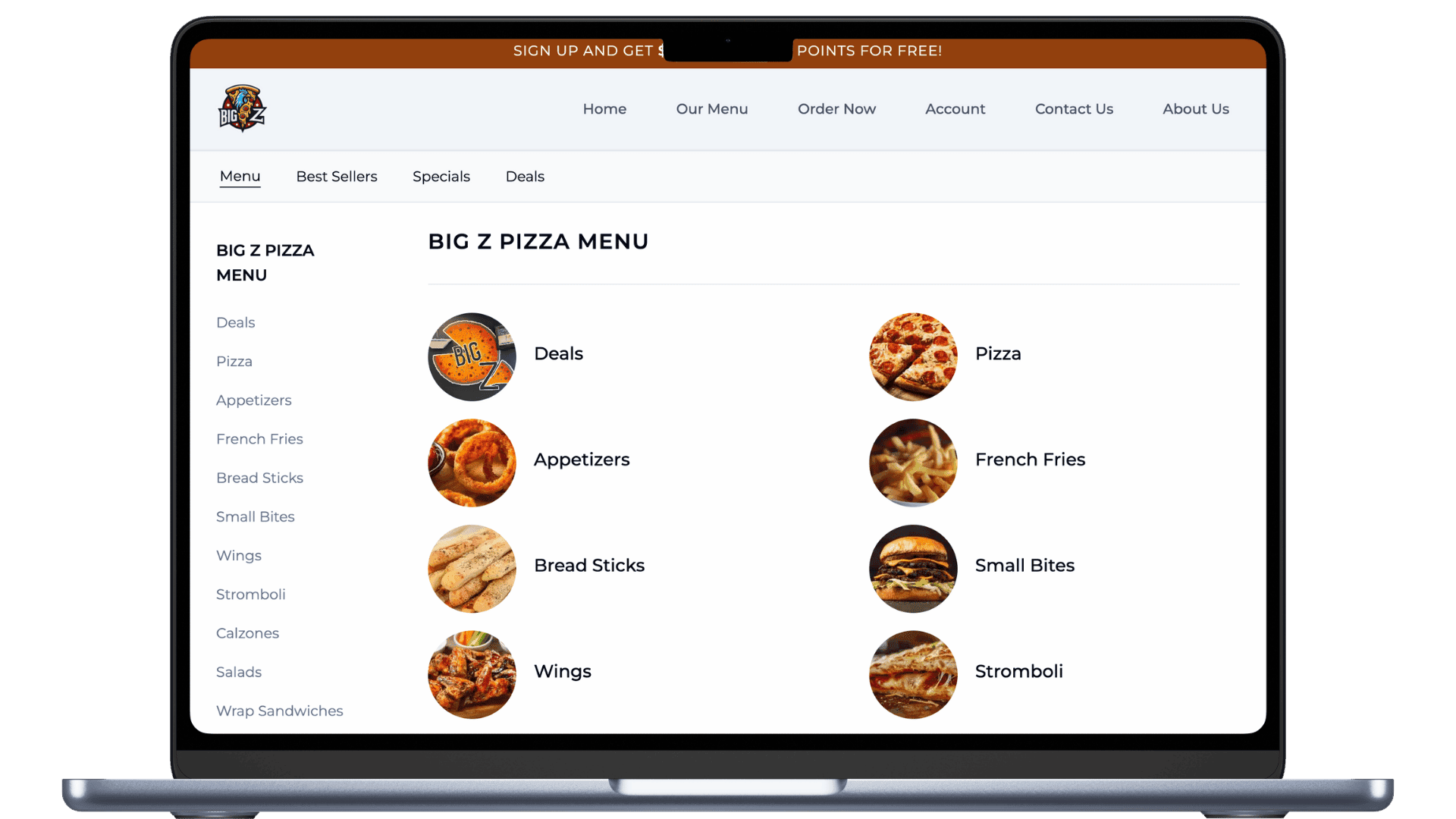
Modern online ordering system that makes it easy for customers to order from your restaurant
Frequently Asked Questions
How often should a restaurant do team building exercises?+
Small exercises work best weekly, built into pre-shift — a tasting, a quiz, or a read-back drill. Larger events like supplier visits or competitor dinners land better monthly or quarterly. Frequency beats scale: ten minutes every week outperforms one big annual outing.
What counts as team building experience in a restaurant or fast food job?+
Cross-training on multiple stations, leading pre-shift briefings, training new hires, and coordinating between the counter and the kitchen during a rush all count as team building experience. If a job application or interview asks about it, describe one specific busy shift: what broke down, what you did, and how the team recovered. Specific stories beat generic phrases like “team player” every time.
What if my staff think team building is cheesy?+
Drop anything that feels like forced performance and tie every exercise to real service — tastings, ticket drills, station swaps. Keep sessions short, keep them paid, and never require personal-disclosure games. Most cynicism disappears when the exercise visibly makes tonight's shift easier.
Do team building exercises reduce staff turnover?+
There is no guarantee, but the common reasons people quit restaurants — feeling invisible, constant friction between front and back of house, chaotic shifts — are exactly what these exercises target. Track your own ninety-day retention before and after you build the habit. That number, not a promise from an article, tells you whether it is working.